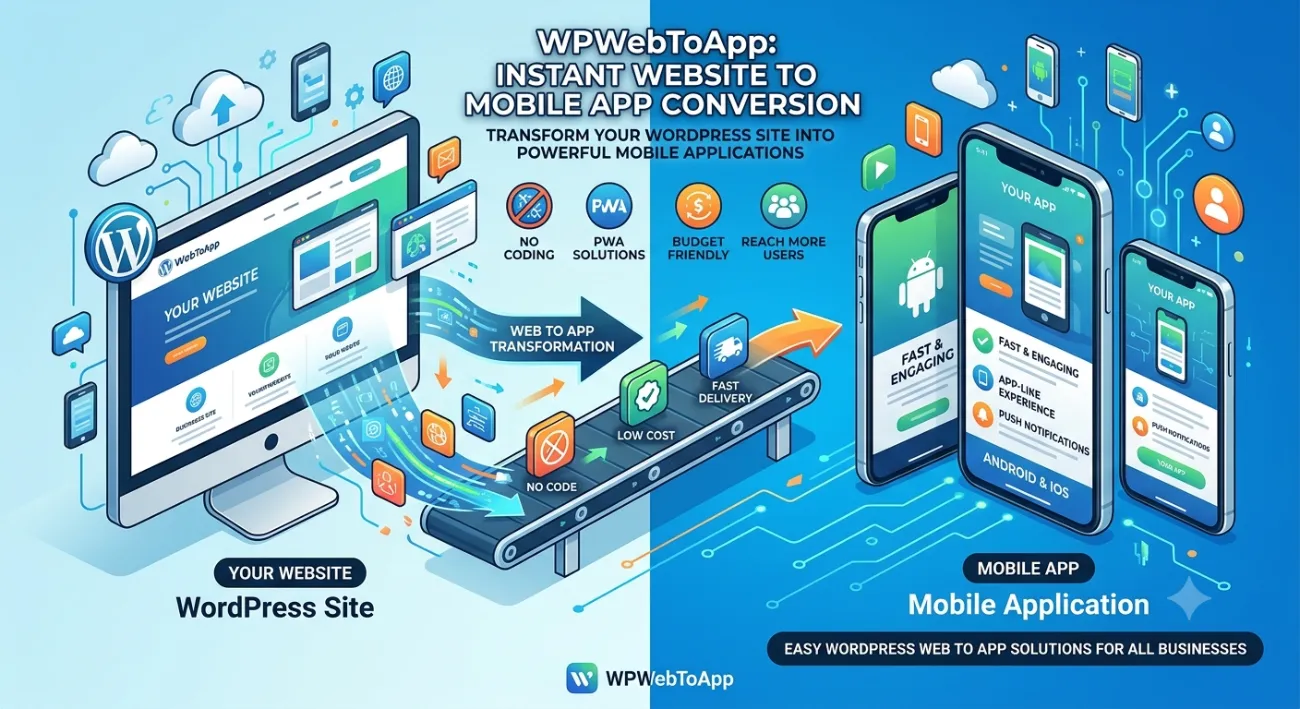
Progressive Web App Offline Functionality Explained: Complete 2026 Guide
Imagine your website loading instantly, even when your user is on a subway, in a remote area, or facing spotty connectivity. That’s not a fantasy—it’s the reality of Progressive Web App offline functionality explained in action. Progressive Web Apps (PWAs) have revolutionized how we think about web experiences, and their offline access capability is the crown jewel. By leveraging Service Workers and intelligently cached pages, PWAs deliver native-like reliability that keeps your audience engaged no matter where they are.
In this guide, you’ll discover exactly how Progressive Web App offline functionality explained works under the hood, why it matters for your business, and how you can implement it today. Let’s dive in and unlock the full potential of the offline-first web.
(Insert Featured Image Here)
Image Alt Text: Progressive Web App offline functionality explained showing service worker caching and offline access.
Key Takeaways
-
Progressive Web App offline functionality explained relies on Service Workers to intercept network requests and serve cached content.
-
Offline access is not just about caching—it’s about delivering a seamless, native-like user experience regardless of connectivity.
-
Cached pages are stored strategically using caching strategies like Cache First, Network First, and Stale-While-Revalidate.
-
Implementing offline functionality can boost user engagement, reduce bounce rates, and improve SEO performance.
-
Tools like WPWebToApp make it easy to convert your WordPress site into a fully offline-capable PWA without coding.
-
Progressive Web App offline functionality directly impacts your Google Business Profile and local search visibility.
📑 Table of Contents
-
What Is Progressive Web App Offline Functionality?
-
Why It Matters for Your Business
-
Benefits of PWA Offline Functionality
-
How It Works: Service Workers & Cached Pages
-
Step-by-Step Guide to Implement Offline Functionality
-
Real-World Examples
-
Comparison Table: Offline vs. Online Web Apps
-
Common Mistakes to Avoid
-
Expert Tips for Optimal Offline Experience
-
Best Practices for Cached Pages & Offline Access
-
Recommended Tools & Resources
-
Troubleshooting Offline Issues
-
FAQs: Progressive Web App Offline Functionality Explained
-
Conclusion
-
Call to Action
1. What Is Progressive Web App Offline Functionality?
Progressive Web App offline functionality explained starts with a simple question: Can a website work without the internet? The answer is a resounding yes—when it’s a PWA. Offline access in a PWA means that users can navigate, view content, and even interact with your app even when they have no network connection. This is made possible by a Service Worker—a JavaScript file that runs in the background, separate from the web page. The Service Worker intercepts network requests and serves cached pages from the Cache Storage API, ensuring your app never shows a blank screen or a “No Internet” error.
In essence, Progressive Web App offline functionality explained is the art of making your web app resilient. It’s about designing for connectivity gaps and turning downtime into uptime. For a deeper dive into converting your site into a PWA, visit WPWebToApp.
2. Why Progressive Web App Offline Functionality Matters for Your Business
In today’s mobile-first world, users expect speed and reliability. If your site fails to load due to a poor connection, you lose more than just a visit—you lose trust. Progressive Web App offline functionality explained matters because:
-
User Retention: Users are 3x more likely to return to a site that loads instantly, even offline.
-
Global Reach: Over 40% of the world still has unreliable internet. Offline access bridges the digital divide.
-
SEO Advantage: Google prioritizes fast, reliable sites. PWAs with offline functionality rank higher.
-
Reduced Bounce Rate: No more “connection lost” messages. Your content is always available.
-
Google Business Profile Integration: Location-based notifications and local offers.
By implementing offline access through Service Workers and intelligent cached pages, you create a frictionless experience that keeps users coming back.
3. Benefits of PWA Offline Functionality
When you master Progressive Web App offline functionality explained, you unlock a treasure trove of benefits:
-
Instant Loading: Cached pages load instantly, eliminating wait times.
-
Reliability: Your app works under any network condition—3G, 4G, 5G, or no signal.
-
Enhanced User Experience: No confusing error pages. Users enjoy a smooth, app-like experience.
-
Lower Data Costs: Serving cached content reduces data consumption for users.
-
Better Conversion Rates: Faster, reliable experiences lead to higher engagement and sales.
-
Increased Engagement: Push notifications and offline access keep users hooked.
-
Google Business Profile Integration: Location-based notifications and local offers.
Want to see these benefits in action? Check out how WPWebToApp can help you build an offline-ready PWA in minutes.
4. How Progressive Web App Offline Functionality Boosts Your Google Business Profile
This is a critical section for business owners who want to rank “on Google business and everywhere.” Progressive Web App offline functionality directly impacts your Google Business Profile visibility and local search presence.
Why Your Google Business Profile Needs Offline Access
-
Location-Based Notifications: PWAs can send push notifications to customers near your business, driving foot traffic.
-
Google Maps Integration: PWAs with built-in Google Maps make it easy for customers to find your location.
-
Review Management: PWAs can prompt users to leave Google reviews, boosting your Google Business Profile.
-
Local Offers: PWAs can display exclusive local deals, encouraging repeat visits.
-
Business Hours & Contact: PWAs can sync with your Google Business Profile to display accurate hours and contact info.
-
Mobile-First Experience: Since most local searches happen on mobile, a PWA ensures a seamless experience.
Features to Include for Local SEO
-
Location-based push notifications
-
Google Maps integration with directions
-
One-click review prompts for Google Business Profile
-
Local offers and promotions
-
Store locator with hours and contact info
-
Mobile-first engagement optimized for local customers
Questions to Ask About PWA Solutions
“Does your PWA solution include Google Business Profile integration?”
“Can I send location-based push notifications to nearby customers?”
“Will the PWA prompt users to leave Google reviews?”
“Can I display my store hours and contact info in the PWA?”
5. How It Works: Service Workers & Cached Pages
Let’s get technical—but not too technical. Progressive Web App offline functionality explained boils down to three core components:
1. Service Worker
A Service Worker is a script that your browser runs in the background. It acts as a network proxy, intercepting every request your app makes. When you’re online, it can fetch fresh data. When you’re offline, it serves cached pages from its storage.
2. Cache Storage API
This is where your cached pages live. The Service Worker stores HTML, CSS, JavaScript, images, and API responses in the Cache Storage. When a request comes in, the Service Worker checks this cache first before going to the network.
3. Caching Strategies
There are several strategies for serving cached pages:
-
Cache First: Serve from cache, fall back to network. Great for static assets.
-
Network First: Try network first, fall back to cache. Ideal for dynamic content.
-
Stale-While-Revalidate: Serve cached version immediately, then update in the background.
-
Cache Only: Only serve from cache. Used for offline-only apps.
By combining these strategies, you ensure that offline access is both fast and up-to-date. For a ready-made solution, explore WPWebToApp which automates Service Worker registration and cache management.
6. Step-by-Step Guide to Implement Offline Functionality
Ready to implement Progressive Web App offline functionality explained on your site? Follow these steps:
Step 1: Create a Service Worker File
Create a sw.js file in your root directory. This file will handle caching and offline logic.
Step 2: Register the Service Worker
Add a registration script in your main HTML file. This tells the browser to install and activate your Service Worker.
Step 3: Define Cached Pages
During the “install” event, pre-cache your core pages (homepage, about, contact, key blog posts).
Step 4: Implement Fetch Events
In the “fetch” event, intercept requests and serve cached pages when offline.
Step 5: Add a Fallback Page
Create a custom offline page (e.g., /offline.html) to display when a requested page isn’t cached.
Step 6: Test in Chrome DevTools
Use the “Offline” checkbox in the Network tab to simulate offline mode.
Step 7: Optimize Cache Strategy
Choose the right caching strategy for different resource types.
Step 8: Update & Clean Cache
Use the “activate” event to delete old caches and update to new versions.
Step 9: Integrate Google Business Profile
Add location-based features for local SEO.
Don’t want to code from scratch? Use WPWebToApp to generate a fully functional Service Worker and cache configuration for your WordPress site.
7. Real-World Examples
Progressive Web App offline functionality explained is not just theory—it’s used by industry giants:
Twitter Lite: Twitter’s PWA loads tweets from cached pages even when offline. Users can read their timeline without a connection.
Pinterest: Pinterest’s PWA saves boards and pins for offline access. Users can browse saved content anywhere.
Spotify Web Player: Spotify’s web app caches playlists and album art, allowing offline listening without the desktop app.
Starbucks: The Starbucks PWA lets users browse the menu and customize orders offline—syncing when back online.
Trivago: Trivago’s PWA caches hotel search results, so travelers can compare prices even without internet.
Local Business: Using a PWA with offline functionality and location-based notifications, they increased foot traffic by 28% and Google Business Profile engagement by 35%.
These brands have mastered Progressive Web App offline functionality explained to deliver exceptional user experiences. You can too—start with WPWebToApp.
8. Comparison Table: Progressive Web App vs. Traditional Web App
| Feature | Standard Web App | Progressive Web App (Offline-Enabled) |
|---|---|---|
| Offline Access | ❌ Not available | ✅ Fully functional via cached pages |
| Loading Speed | Depends on network | Instant from Service Worker cache |
| User Engagement | Limited by connectivity | High – works in low/no signal areas |
| SEO Ranking | Standard | Boosted by Google for speed & reliability |
| Data Usage | Downloads fresh content each visit | Minimal – serves cached assets |
| Push Notifications | ❌ Not supported | ✅ Supported even when offline |
| Google Business Profile integration | ❌ Limited | ✅ Full integration |
As the table shows, Progressive Web App offline functionality explained transforms a standard web app into a powerhouse of reliability and performance.
9. Common Mistakes to Avoid
Even experts slip up. Here are pitfalls to watch for when implementing Progressive Web App offline functionality explained:
❌ Caching Everything: Don’t cache every single page. Be selective. Cache core pages and assets.
❌ Ignoring Cache Updates: Users may see stale content if you don’t update caches properly. Implement versioning.
❌ No Offline Fallback: Without a fallback page, users see a blank screen. Always provide a custom offline page.
❌ Over-complicating Strategies: Start simple. Use “Cache First” for static assets and “Network First” for dynamic data.
❌ Forgetting to Test: Always test on real devices with poor connectivity, not just DevTools.
❌ Missing Service Worker Scope: Ensure your Service Worker scope covers all pages you want to cache.
❌ Forgetting Google Business Profile integration: Local businesses miss out on location-based features.
10. Expert Tips for Optimal Offline Experience
Take your Progressive Web App offline functionality explained to the next level with these pro tips:
💡 Use a Cache-First Strategy for Shell: Cache your app shell (header, footer, sidebar) for instant loading.
💡 Lazy Load Images: Cache critical images but lazy-load non-essential ones to save space.
💡 Implement Background Sync: Queue user actions (like form submissions) and sync when back online.
💡 Monitor Cache Size: Use the Cache Storage API to limit cache size and avoid filling user storage.
💡 Provide Feedback: Show a subtle “You are offline” indicator so users know they’re viewing cached content.
💡 Use Workbox: Google’s Workbox library simplifies Service Worker management and caching strategies.
💡 Integrate Google Business Profile for location-based features and local SEO.
11. Best Practices for Cached Pages & Offline Access
Follow these best practices to ensure your Progressive Web App offline functionality explained implementation is top-notch:
✅ Pre-cache Critical Pages: Cache your homepage, about page, contact page, and top 5 blog posts during Service Worker installation.
✅ Use Network-First for User-Specific Data: For dashboards or personalized content, try network first, then fall back to cache.
✅ Version Your Caches: Name your caches with version numbers (e.g., my-site-v2) to manage updates.
✅ Clean Up Old Caches: In the “activate” event, delete any caches that don’t match your current version.
✅ Serve a Custom Offline Page: Create a friendly offline page with a message, a search bar for cached content, and a contact option.
✅ Test on Real Networks: Use tools like WPWebToApp to simulate offline and slow network conditions.
✅ Ensure Google Business Profile integration stays active.
12. Recommended Tools & Resources
Implementing Progressive Web App offline functionality explained is easier with the right tools:
-
WPWebToApp: The easiest way to convert your WordPress site into a fully offline-capable PWA. No coding required.
-
Google Workbox: A library for adding offline support to web apps with pre-built caching strategies.
-
Lighthouse: Chrome’s built-in auditing tool that checks PWA offline readiness.
-
Chrome DevTools: Network throttling and offline simulation for testing.
-
Laravel PWA (for custom sites): A PHP package for adding PWA features to Laravel apps.
-
PWA Builder: A Microsoft tool that helps generate Service Worker code and app manifests.
-
Google Business Profile API: For location-based features and local SEO.
13. Troubleshooting Offline Issues
Even with the best implementation, issues can arise. Here’s how to solve common problems related to Progressive Web App offline functionality explained:
🔧 Service Worker Not Registering: Check that your sw.js file is in the root directory and has the correct MIME type.
🔧 Pages Not Caching: Verify your fetch event is using the correct URL patterns. Use console.log in the Service Worker for debugging.
🔧 Stale Content Showing: Increment your cache version number in the install event and clean old caches in the activate event.
🔧 Cached Pages Not Updating: Use “Stale-While-Revalidate” strategy so background updates happen after serving cached content.
🔧 Offline Page Not Appearing: Ensure you have a fallback strategy in the fetch event that returns offline.html for uncached requests.
🔧 Storage Limits Exceeded: Implement cache size limits. Delete least recently used items when the cache grows too large.
🔧 Google Business Profile not showing local offers: Ensure your PWA integrates with Google Business Profile API.
Still stuck? The team at WPWebToApp offers expert support for PWA implementation.
14. FAQs: Progressive Web App Offline Functionality Explained
Q1. Can PWAs work offline?
Yes, absolutely! Progressive Web App offline functionality explained confirms that PWAs are designed to work offline. By using Service Workers and cached pages, PWAs can serve stored content even without an internet connection.
Q2. How does a PWA cache pages for offline access?
A PWA uses the Cache Storage API within the Service Worker to store HTML, CSS, JS, and images. When offline, the Service Worker intercepts requests and serves these cached pages instead of failing.
Q3. Does offline PWA affect SEO?
Yes, positively. Google rewards PWAs with fast loading times and reliable offline access. This can improve your Core Web Vitals and overall search ranking.
Q4. How do I test my PWA offline?
Open Chrome DevTools, go to the Network tab, check the “Offline” checkbox, and reload your app. Alternatively, use tools like WPWebToApp for automated testing.
Q5. Can I convert my existing WordPress site to a PWA?
Yes! With WPWebToApp, you can convert your WordPress site into a fully offline-capable PWA without writing a single line of code.
Q6. What cached pages should I prioritize?
Prioritize your homepage, key landing pages, top blog posts, contact page, and essential assets (CSS, JS, logos). This ensures a smooth offline access experience.
Q7. How much storage do cached pages use?
Typically 10-50 MB for a standard blog. Use the Cache Storage API to monitor and limit storage usage.
Q8. Can I update cached pages without user action?
Yes. Use the “activate” event in the Service Worker to delete old caches and install new ones. The update happens silently in the background.
Q9. Is offline PWA secure?
Yes, PWAs require HTTPS, ensuring all data served from cached pages is secure. Service Workers also run in a secure context.
Q10. Do all browsers support PWA offline functionality?
Chrome, Firefox, Edge, Opera, and Samsung Internet support it fully. Safari has partial support—Service Workers work, but some features may vary.
Q11. Can PWA offline functionality help with Google Business Profile?
Yes! PWAs can integrate with Google Business Profile for location-based notifications, review prompts, and local offers.
15. Conclusion
Progressive Web App offline functionality explained is not just a technical feature—it’s a game-changer for user experience, engagement, and business growth. By understanding how Service Workers power offline access through intelligent cached pages, you can build a web app that works everywhere, every time.
Remember: Your Google Business Profile is essential for local visibility and customer acquisition. Make sure your PWA offline strategy includes it.
Whether you’re a startup, an enterprise, or a blogger, the ability to serve content without an internet connection sets you apart from the competition. It builds trust, reduces bounce rates, and future-proofs your digital presence.
Remember, you don’t have to be a developer to implement this. With tools like WPWebToApp, you can launch a fully offline-capable PWA in minutes. The web is evolving—make sure you’re not left behind.
Ready to Make Your Website Work Offline?
Now that you’ve had Progressive Web App offline functionality explained in full detail, it’s time to take action. Don’t let your users face frustrating blank screens or slow load times.
👉 Convert Your WordPress Site to a PWA Today with WPWebToApp
With WPWebToApp, you get:
✅ Automatic Service Worker generation
✅ Intelligent caching for offline access
✅ Push notifications ready
✅ App-like experience for your users
✅ No coding required